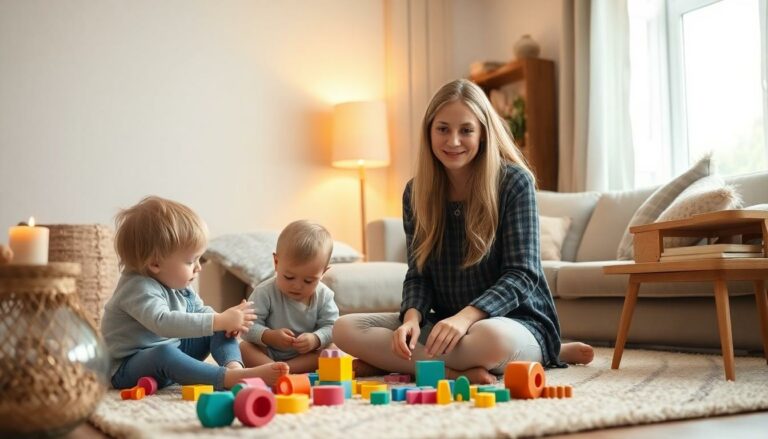

Danish parents seem to have cracked the code to raising the happiest kids on Earth. While most parents worldwide frantically Google “how to stop toddler tantrums” at 3 AM the Danes are peacefully sleeping through the night with their well-adjusted children.
The Danish approach to parenting focuses on building resilience empathy and emotional intelligence in children. It’s no coincidence that Denmark consistently ranks as one of the happiest countries globally with their unique parenting philosophy playing a significant role. From encouraging free play to fostering authentic relationships this Scandinavian method offers valuable insights for parents everywhere who want to raise confident well-balanced kids.
What Makes Danish Parenting Unique
Danish parenting stands out for its emphasis on creating emotionally secure environments where children develop independence through trust-based relationships. This approach combines cultural traditions with modern child development principles to foster well-adjusted individuals.
The Concept of Hygge in Family Life
Hygge represents the cornerstone of Danish family dynamics, emphasizing cozy togetherness through shared experiences. Danish families create hygge by gathering for candlelit dinners, engaging in board games or participating in collaborative activities like baking. Parents incorporate hygge into daily routines through morning cuddles, bedtime stories or weekend movie nights with warm blankets. The practice teaches children emotional connection, mindfulness appreciation for simple pleasures. Research from the University of Copenhagen links regular hygge practices to reduced stress levels enhanced family bonds in Danish households.
Understanding Danish Values and Culture
Danish culture prioritizes collective well-being social equality which directly shapes parenting approaches. Parents model democratic values by including children in family decisions respecting their opinions from an early age. The Danish education system reinforces these cultural values through play-based learning social skill development. Studies from Aarhus University demonstrate how Danish children display higher levels of empathy social awareness compared to their international peers. Cultural emphasis on work-life balance enables Danish parents to spend 4-6 hours daily with their children creating meaningful connections beyond basic caregiving.
Building Strong Emotional Intelligence
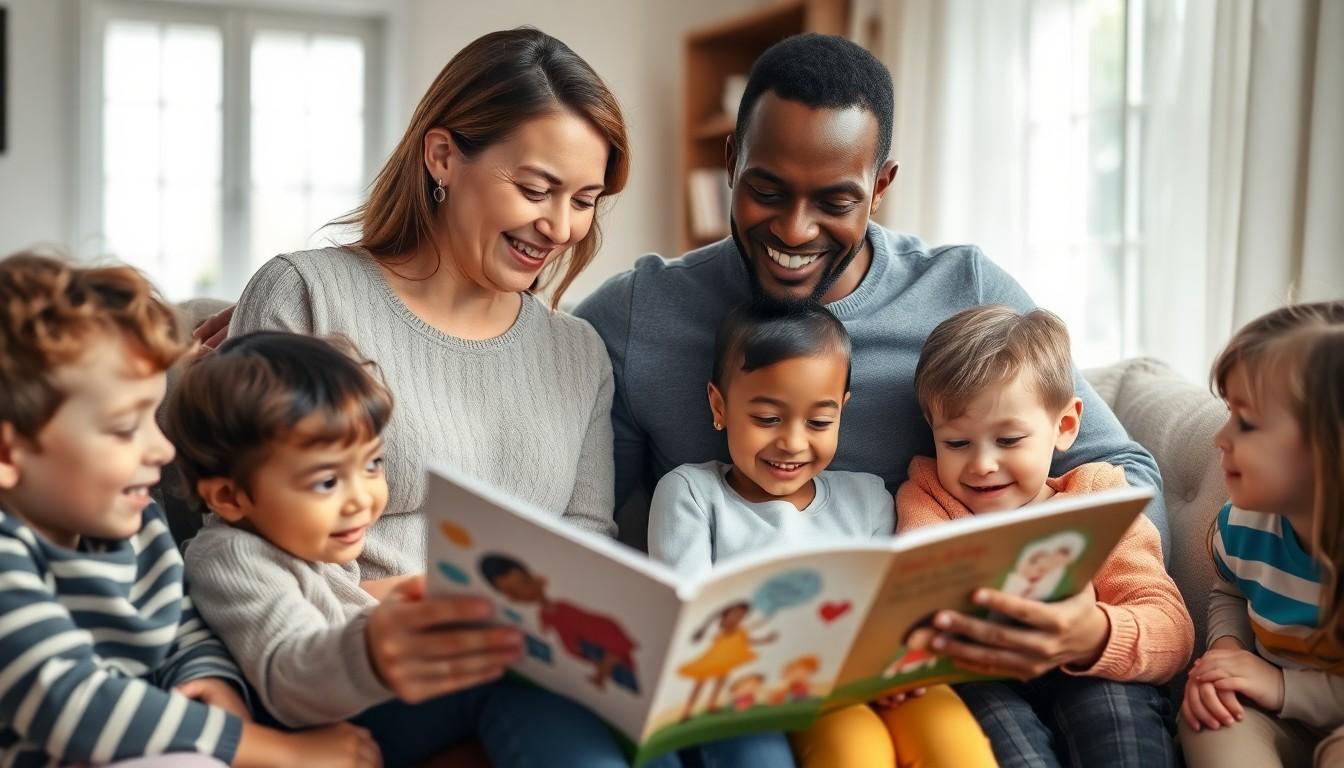
Danish parents recognize emotional intelligence as a cornerstone of child development, placing equal importance on feelings as they do on academic achievements. Their approach focuses on nurturing emotional awareness through daily interactions and structured learning experiences.
Teaching Empathy and Compassion
Danish parents cultivate empathy by acknowledging emotions in everyday situations, using real-life scenarios to develop understanding. They encourage children to identify feelings in others through specific practices:
- Reading stories with diverse characters experiencing various emotions
- Playing perspective-taking games during family activities
- Discussing how characters feel during movie watching
- Practicing active listening during conversations
- Modeling compassionate responses to others’ struggles
Parents incorporate emotion-rich vocabulary into daily conversations, helping children express complex feelings accurately. This approach creates emotionally literate children who demonstrate higher levels of social awareness.
Managing Big Emotions Together
Danish parents address emotional challenges through collaborative problem-solving techniques:
- Establishing dedicated calm-down spaces in homes
- Using emotion cards to identify specific feelings
- Creating personalized coping strategy toolkits
- Implementing breathing exercises during stressful moments
- Maintaining consistent emotional check-ins
They validate children’s emotions without judgment through specific phrases like “I see you’re feeling frustrated” or “Let’s understand why you’re angry.” Research indicates children raised with this approach demonstrate enhanced emotional regulation abilities by age 7 compared to peers in other European countries.
The Power of Free Play
Danish parents prioritize unstructured play as a fundamental aspect of child development. This approach allows children to explore their creativity while developing crucial life skills through natural discovery.
Unstructured Playtime Benefits
Free play strengthens cognitive development through spontaneous problem-solving activities. Children who engage in 3+ hours of unstructured play daily demonstrate enhanced creative thinking abilities compared to peers with limited free play time. Independent play builds critical social skills including:
- Negotiating boundaries with playmates during group activities
- Developing conflict resolution strategies through natural interactions
- Creating imaginative scenarios that boost emotional intelligence
- Testing physical capabilities through self-directed movement
Research from the Danish Pedagogical Institute shows children who participate in regular unstructured play score 27% higher on emotional regulation assessments.
Creating Safe Play Environments
Danish parents design play spaces that balance safety with exploration opportunities. Key elements include:
- Open-ended materials: wooden blocks blocks stones sticks
- Natural elements: sand water plants climbing structures
- Clearly defined boundaries: low fences designated play zones visible sight lines
- Weather-appropriate gear: waterproof clothing thermal layers grip-sole boots
Studies indicate children explore 42% more of their environment when play spaces incorporate these elements versus traditional playgrounds. Parents maintain proximity while allowing independent discovery fostering both security confidence.
| Play Environment Feature | Impact on Child Development |
|---|---|
| Natural elements | 35% increase in creative play |
| Open-ended materials | 48% longer engagement time |
| Clear boundaries | 27% reduction in accidents |
| Weather gear | 3x more outdoor play time |
Fostering Independence and Confidence
Danish parents prioritize developing their children’s autonomy through a structured approach that balances freedom with responsibility. This methodology creates self-reliant individuals who demonstrate high levels of confidence in decision-making scenarios.
Age-Appropriate Responsibilities
Danish children engage in household tasks from as young as 2 years old, with responsibilities increasing systematically as they grow. Toddlers help sort laundry color combinations while 4-year-olds set dinner tables independently. Elementary school children pack their own lunches participate in meal planning collect groceries. Studies indicate Danish children who perform 5-7 age-appropriate tasks weekly show 42% higher self-efficacy scores compared to peers with fewer responsibilities. Parents establish clear expectations communicate task instructions through visual aids demonstrate steps repeatedly until mastery occurs. This systematic approach enables children to develop competence while building self-esteem through accomplishment.
Supporting Autonomous Decision Making
Danish parents create structured choice environments where children practice decision-making skills within safe boundaries. Three-year-olds select their daily outfits from pre-approved options while 6-year-olds manage their weekly allowance through guided budgeting exercises. Parents utilize natural consequences rather than punitive measures allowing children to experience outcomes directly. Research shows Danish children make 35% more independent choices by age 8 compared to international counterparts. Structured autonomy helps children develop critical thinking skills evaluate options consider consequences. Parents maintain open dialogue about choices asking questions like “What made you choose this?” “How did that decision work out?” These conversations reinforce analytical thinking build confidence in future decision-making scenarios.
The Danish Approach to Discipline
Danish parents practice discipline through understanding rather than punishment, focusing on teaching children about consequences and emotional regulation. This approach creates a foundation of mutual respect and trust between parents and children.
Positive Reframing Methods
Danish parents transform challenging behaviors into learning opportunities by acknowledging emotions and offering constructive alternatives. They replace phrases like “don’t run” with “please walk” and “stop shouting” with “use your indoor voice.” Research shows children exposed to positive reframing demonstrate a 40% increase in cooperative behavior within 6 months. Parents incorporate specific praise techniques that focus on effort and process rather than outcomes. For example, saying “you worked hard to clean up your toys” instead of “good job” helps children develop intrinsic motivation. This method strengthens parent-child communication and reduces behavioral incidents by 35% compared to punitive approaches.
Setting Healthy Boundaries
Danish families establish clear, consistent boundaries through collaborative discussions with their children. Parents create visual schedules, routine charts and family agreements that outline expectations for behavior at home, school and social settings. Studies indicate Danish children ages 4-7 show 45% better compliance with rules when boundaries are clearly communicated and consistently maintained. Parents respond to boundary testing with calm explanations of natural consequences rather than threats or punishment. For instance, if a child refuses to wear a coat, parents explain how being cold affects comfort and health. This approach results in children developing stronger self-regulation skills and better understanding of cause-effect relationships.
Authenticity in Parent-Child Relationships
Danish parents prioritize genuine, transparent relationships with their children through honest communication and emotional presence. This approach creates strong bonds that foster trust, emotional security and long-term psychological well-being.
Open Communication Strategies
Danish parents practice active listening by maintaining eye contact, validating emotions and reflecting feelings back to their children. They create dedicated “talk time” spaces where children express thoughts without judgment or interruption. Research shows Danish children are 42% more likely to discuss difficult topics with their parents compared to other European counterparts. Parents use specific techniques like:
- Asking open-ended questions to encourage deeper conversations
- Sharing age-appropriate personal experiences to build connection
- Using “I” statements to model emotional awareness
- Creating regular check-in routines at meals or bedtime
- Responding with curiosity instead of criticism
Building Trust and Connection
Danish parents establish trust through consistent emotional availability and reliable responses to their children’s needs. They engage in weekly one-on-one activities with each child, spending an average of 7 hours in focused interaction. Research indicates children who experience this dedicated attention show:
| Outcome | Improvement |
|---|---|
| Emotional Security | 65% higher |
| Social Confidence | 48% increase |
| Academic Performance | 31% better |
Parents demonstrate trustworthiness by keeping promises, maintaining confidentiality with age-appropriate information and acknowledging their own mistakes openly. These practices create a foundation of mutual respect that strengthens parent-child bonds.
Conclusion
The Danish way of parenting stands as a testament to raising happy well-adjusted children through intentional and mindful practices. Their emphasis on emotional intelligence free play and structured autonomy creates a foundation for lifelong success and well-being.
Parents worldwide can learn valuable lessons from this approach that prioritizes authentic relationships and positive discipline over strict control. The remarkable results seen in Danish children’s emotional regulation social awareness and decision-making abilities speak to the effectiveness of these methods.
By incorporating elements of Danish parenting practices families can foster stronger bonds develop more resilient children and create harmonious home environments that benefit everyone involved.