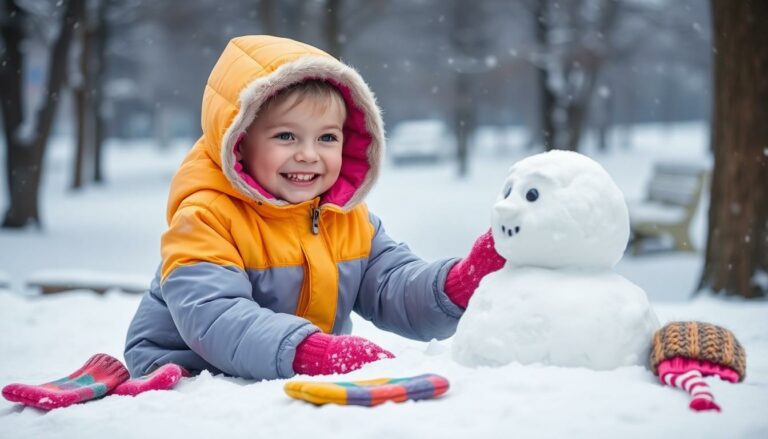

Building a child’s wardrobe shouldn’t feel like solving a puzzle while blindfolded. Every parent knows the struggle of finding comfortable yet durable clothing that can withstand playground adventures and unexpected food fights. Essential children’s clothing forms the backbone of a practical wardrobe that grows with your little one.
From versatile t-shirts to sturdy pants that can handle countless washing cycles these basics make daily dressing a breeze. Today’s smart parents are discovering that a well-planned collection of essential pieces doesn’t just save money – it eliminates those morning meltdowns when nothing seems to match. With the right mix of everyday staples kids can focus on what they do best: exploring creating and occasionally getting delightfully messy.
Why Essential Clothing Matters for Growing Kids
Essential clothing plays a critical role in children’s daily comfort mobility during their rapid growth phases. Kids outgrow their clothes every 3-6 months, making a foundation of versatile basics imperative for practical wardrobe management.
Quality essentials support children’s physical development through:
- Enhanced movement freedom during active play activities
- Temperature regulation across seasonal changes
- Skin protection from environmental elements
- Sensory comfort for sensitive skin types
- Easy dressing independence for toddlers
The financial impact of children’s clothing reflects in these statistics:
| Category | Annual Cost | Replacement Rate |
|---|---|---|
| Basic Wear | $500-800 | Every 3-6 months |
| Special Items | $200-400 | Every 6-12 months |
| Seasonal Gear | $300-500 | Yearly |
Practical benefits of essential clothing include:
- Mix match capabilities with existing wardrobe pieces
- Extended wear through layering options
- Simplified laundry maintenance routines
- Quick outfit assembly for busy mornings
- Reduced decision fatigue for parents children
Essential clothing supports developmental milestones by:
- Promoting self dressing skills
- Building confidence through comfortable fit
- Enabling unrestricted physical activities
- Adapting to growth spurts efficiently
- Supporting social integration with peers
Strategic essential clothing selection creates a functional wardrobe that adapts to children’s changing needs while maintaining comfort durability. Parents maximize their investment through versatile pieces that coordinate easily withstand daily wear.
Must-Have Clothing Items for Children

A well-curated children’s wardrobe contains versatile pieces that accommodate growth spurts while maintaining comfort. Essential clothing items form the foundation of a functional wardrobe that supports daily activities.
Everyday Basics and Staple Pieces
Core wardrobe essentials include 5-7 solid color t-shirts pairs easily with 3-4 pants or leggings. Cotton underwear sets include 7-10 pairs to ensure daily freshness. Basic pieces incorporate:
- Short-sleeve t-shirts in neutral colors (white gray navy)
- Long-sleeve shirts with tagless labels
- Pull-on elastic waist pants in denim cotton twill
- Zip-up hooded sweatshirts for layering
- Athletic shorts with moisture-wicking properties
- Cotton socks in sets of 6-8 pairs
- Machine washable sneakers with velcro closures
Seasonal Wardrobe Essentials
Each season requires specific clothing items to maintain comfort in varying temperatures:
Summer:
- UV-protective swimwear
- Breathable cotton shorts
- Lightweight dresses with built-in shorts
- Sun hats with neck coverage
Winter:
- Insulated water-resistant coats
- Thermal base layers
- Fleece-lined pants
- Waterproof snow boots
- Knit hats gloves scarves sets
- Light jackets with water resistance
- Long sleeve t-shirts for layering
- Canvas sneakers with grip soles
- Rain boots with easy-on handles
Choosing Quality Materials and Construction
Quality materials form the foundation of durable children’s clothing that withstands frequent washing cycles while maintaining shape retention. The right combination of fabric composition and construction techniques creates garments that endure active play while keeping kids comfortable.
Durable Fabrics for Active Kids
Cotton-polyester blends offer superior durability with a composition ratio of 60% cotton to 40% polyester. Dense knit fabrics like interlock cotton maintain their structure through 50+ wash cycles. Reinforced denim with 2% elastane provides flexibility for active movement while resisting tears. Technical fabrics such as ripstop nylon prevent snags during outdoor activities. Double-stitched seams increase garment longevity by 40% compared to single-stitched alternatives. Fabric weights between 180-200 GSM (grams per square meter) deliver optimal durability for everyday wear items like t-shirts pants.
Comfort and Safety Features
Flat seams reduce skin irritation in high-movement areas like shoulders arms legs. Tagless labels eliminate scratching while preserving care instructions. Adjustable elastic waistbands accommodate growth spurts across 3 size ranges. Breathable mesh panels in athletic wear regulate temperature during physical activities. Anti-pill finishes maintain fabric smoothness after 15+ washes. Moisture-wicking materials draw sweat away from skin within 30 seconds of exposure. UV-protective fabrics with UPF 50+ shield sensitive skin during outdoor play. Non-toxic dyes certified by OEKO-TEX Standard 100 ensure safety for sensitive skin contact.
Smart Shopping Tips for Kids’ Essential Clothing
Strategic shopping for children’s essential clothing combines practical planning with value-focused decisions. Expert organization methods maximize wardrobe versatility while minimizing costs.
Building a Mix-and-Match Wardrobe
A coordinated wardrobe starts with selecting complementary color palettes across essential pieces. Neutral base colors like navy, gray, black create endless outfit combinations with 5-7 coordinating tops. Solid colored bottoms in 3-4 variations pair seamlessly with patterned shirts or graphic tees. Layer pieces such as cardigans or zip-up hoodies in matching tones extend the wear of basic items.
| Essential Mix-and-Match Items | Recommended Quantity |
|---|---|
| Solid Color Base Pieces | 5-7 items |
| Neutral Bottoms | 3-4 pairs |
| Layering Pieces | 2-3 items |
| Pattern/Graphic Items | 3-4 pieces |
Size and Growth Considerations
Children grow at different rates throughout the year, requiring strategic sizing choices. Buying clothes one size larger extends wear time through growth spurts. Adjustable features like elastic waistbands, snap buttons, roll-up cuffs accommodate changing sizes. Layering pieces offer flexibility across seasons as children grow.
| Age Range | Average Growth Rate |
|---|---|
| 2-3 years | 2-3 inches/year |
| 4-6 years | 2.5 inches/year |
| 7-10 years | 2 inches/year |
| 11-14 years | 3-4 inches/year |
Organizing and Maintaining Kids’ Essential Clothing
Storage Solutions
Designated clothing zones streamline daily dressing routines. Clear plastic bins labeled by size store seasonal items efficiently. Rolling drawers separate everyday essentials like shirts pants underwear. Hanging organizers display complete outfits for easy morning selection.
Rotation System
A seasonal clothing rotation keeps wardrobes current. Storage containers protect off-season items from dust moisture damage. Labeled bins track different size ranges as children grow. Regular reviews identify worn damaged pieces requiring replacement.
Maintenance Tips
- Wash clothes in cold water to preserve fabric quality colors
- Turn garments inside out before washing to reduce wear
- Zip zippers button buttons to prevent snags damage
- Remove stains immediately using appropriate treatments
- Air dry delicate items to extend their lifespan
Storage Quantities
| Category | Active Rotation | Storage |
|---|---|---|
| T-shirts | 5-7 pieces | 3-4 next size |
| Pants/Shorts | 3-4 pairs | 2-3 next size |
| Underwear | 7-10 pieces | 5-6 next size |
| Outerwear | 2-3 items | 1-2 next size |
Organization Methods
- Sort clothes by type size season in labeled containers
- Group coordinating pieces together for quick outfit assembly
- Place frequently used items in easily accessible drawers
- Store special occasion clothes in protective garment bags
- Position shoes boots in ventilated cubbies or racks
Inventory Management
Monthly clothing checks identify outgrown damaged items. Size tracking charts monitor growth patterns purchasing needs. Photos document current wardrobe combinations for reference. Digital inventory lists track essential item quantities replacements.
Conclusion
Building a wardrobe of essential clothing for kids requires thoughtful planning and smart organization. A well-curated collection of versatile basics creates the foundation for stress-free dressing while supporting children’s growth development and independence.
Parents who invest in quality essentials and implement practical storage solutions will find themselves spending less time managing clothes and more time enjoying their children’s active lifestyles. The key lies in selecting adaptable pieces that work together maximizing both functionality and value.
With the right essentials in place children can dress confidently explore freely and grow comfortably knowing their clothes will keep up with their adventures. This strategic approach to kids’ clothing transforms a potentially overwhelming task into a manageable and rewarding experience for the whole family.